
Beet juice and blood pressure have a real, research-backed connection. Beets are rich in dietary nitrate, which the body converts into nitric oxide, a molecule that relaxes and widens blood vessels. A review of randomized trials found beetroot juice and nitrate lowered systolic blood pressure by about 4 points on average, and a 4-week trial in people with high blood pressure found drops of about 8 points. It is not a replacement for medication, but it is an easy food-first habit.
Beet juice and blood pressure: Quick Answer
- Beets are high in nitrate, which the body turns into nitric oxide to relax blood vessels.
- Across trials, beetroot juice lowered systolic blood pressure by about 4 points on average.
- In people with high blood pressure, 1 cup a day for 4 weeks lowered it by about 8 points.
- Mouth bacteria help convert nitrate, so antiseptic mouthwash may blunt the effect.

How Does Beet Juice Lower Blood Pressure?
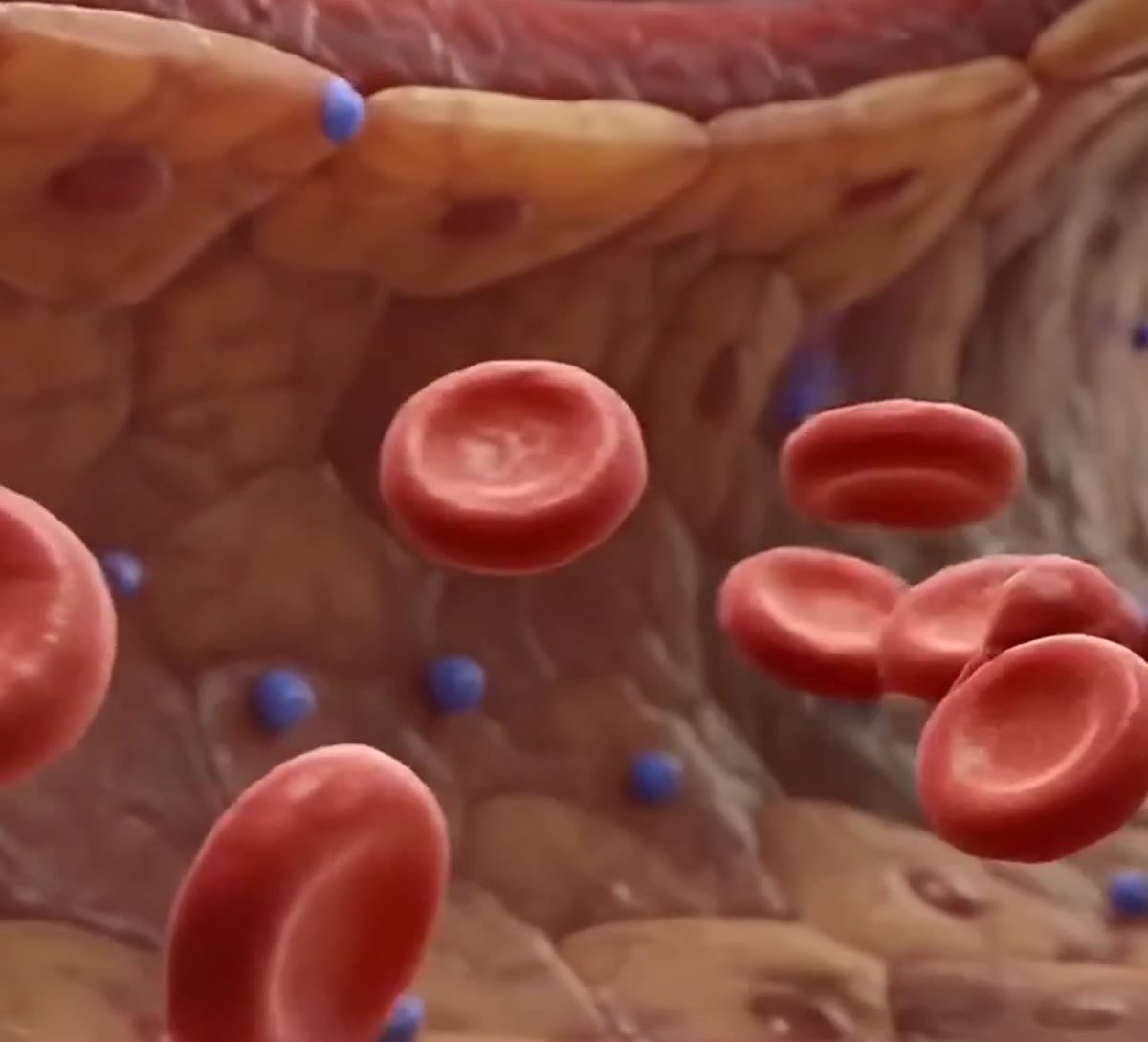
It is a surprising three-step process. First, nitrate from beets and leafy greens is absorbed and concentrated in your saliva. Second, friendly bacteria on your tongue convert nitrate to nitrite. Third, once swallowed, nitrite is turned into nitric oxide, which signals blood vessel walls to relax. Wider vessels mean lower pressure.
The mouth step matters. In one study, healthy volunteers who used antiseptic mouthwash for a week saw their blood pressure rise slightly as nitrate-converting bacteria were reduced (Kapil et al., Free Radic Biol Med, 2013).
What Does the Research Show?
1. Trials show a modest average drop
A meta-analysis of 16 randomized trials found that inorganic nitrate and beetroot juice lowered systolic blood pressure by about 4.4 points on average, with a smaller effect on diastolic pressure (Siervo et al., J Nutr, 2013). Larger effects were seen with higher nitrate doses.
2. Daily beet juice helped people with high blood pressure
In a 4-week randomized trial of 68 adults with hypertension, those who drank 250 mL of nitrate-rich beetroot juice daily lowered clinic systolic blood pressure by about 7.7 points compared with nitrate-free juice. Home and 24-hour readings improved similarly, and blood vessel function got better (Kapil et al., Hypertension, 2015).
What Are Researchers Exploring Next?
Most trials ran for weeks, and longer studies on heart attack and stroke outcomes are the natural next step. Results vary with baseline blood pressure, dose and mouth bacteria. Beet juice also contains natural sugar. It should complement, not replace, proven treatments and lifestyle changes.
5 Ways to Get More Dietary Nitrate
- Try beetroot juice. About 1 cup a day matched the dose in trials; concentrated shots provide similar nitrate in less volume.
- Eat leafy greens. Arugula, spinach, lettuce and celery are also rich in nitrate.
- Roast or add beets to salads. Whole beets provide fiber along with nitrate.
- Go easy on antiseptic mouthwash. Ask your dentist if a gentler option makes sense for you.
- Build the whole pattern. Pair nitrate-rich foods with less salt, more movement and healthy fats. See olive oil and longevity.
Want an eating pattern that fits your body’s signals? Explore our complete diet guide or start with the free Signal Map quiz.
Frequently Asked Questions
How much beet juice lowers blood pressure?
In a 4-week trial, people with high blood pressure who drank about 250 mL (roughly 1 cup) of beetroot juice daily lowered their systolic blood pressure by about 8 points. A pooled review of trials found an average drop of about 4 points.
How long does beet juice take to lower blood pressure?
Blood pressure typically dips within a few hours of drinking beet juice, as nitrate is converted to nitric oxide. In longer trials, the effect was sustained over four weeks of daily use.
Is beet juice safe for everyone?
For most people, yes. It can turn urine or stool pink or red, which is harmless. People with kidney stones or low blood pressure, or those on blood pressure medication, should talk with a clinician first.
Not sure which way of eating fits you? The Diet Match Protocol helps you find an eating pattern that matches your signals, goals and preferences. See the program →
Sources
- Siervo M, et al. Inorganic nitrate and beetroot juice supplementation reduces blood pressure in adults: a systematic review and meta-analysis. J Nutr. 2013;143(6):818-826. doi:10.3945/jn.112.170233
- Kapil V, et al. Dietary nitrate provides sustained blood pressure lowering in hypertensive patients: a randomized, phase 2, double-blind, placebo-controlled study. Hypertension. 2015;65(2):320-327. doi:10.1161/HYPERTENSIONAHA.114.04675
- Kapil V, et al. Physiological role for nitrate-reducing oral bacteria in blood pressure control. Free Radic Biol Med. 2013;55:93-100. doi:10.1016/j.freeradbiomed.2012.11.013
This article is for education only and is not medical advice. Talk with your healthcare professional before changing your health routine.