
Grip strength is one of the most studied single measurements in longevity research, with a meta-analysis of 38 studies and nearly 2 million participants finding that higher handgrip strength was associated with a 31% lower risk of all-cause mortality compared with lower muscular strength (García-Hermoso et al., Arch Phys Med Rehabil, 2018). A separate dose-response meta-analysis of 48 studies covering more than 3 million adults found a significant inverse association between handgrip strength and all-cause, cardiovascular, and cancer mortality (López-Bueno et al., Ageing Res Rev, 2022). Researchers consider it a practical, low-cost window into overall musculoskeletal health.
Grip strength: Quick Answer
Grip strength is linked to lower risk of all-cause, cardiovascular, and cancer mortality in large population studies. Higher grip strength is consistently associated with better physical function and longer life, though the relationship is associative, not necessarily causal.
- Higher grip strength is associated with lower risk of death from all causes in large prospective studies.
- The association holds for cardiovascular and cancer mortality as well, though the dose-response shapes differ.
- Physical activity levels are positively linked to hand grip strength in older adults.
- Resistance training can improve grip strength in older adults with sarcopenia, according to recent meta-analyses.
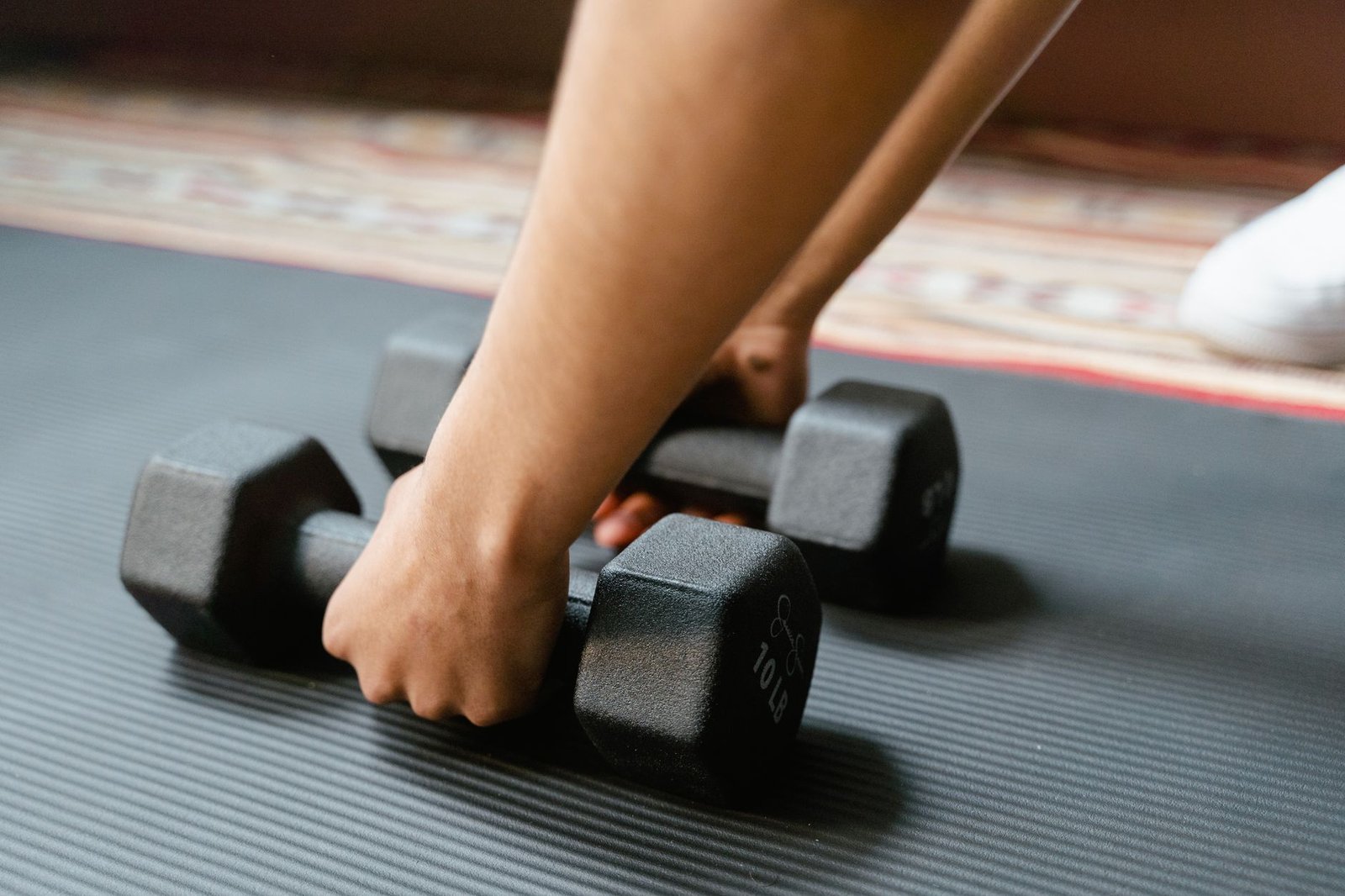
This article covers what the published evidence shows about grip strength as a health marker, which populations were studied, what the numbers mean, and where the science still has gaps.
What does grip strength actually predict?
Grip strength has been studied as a predictor of mortality, physical function, and muscle health across a wide range of adult populations. The findings below draw only from the supplied research records.
1. All-cause mortality across nearly 2 million adults
A systematic review and meta-analysis of 38 cohort studies with 1,907,580 participants found that higher handgrip strength was associated with a hazard ratio of 0.69 (95% CI, 0.64–0.74) for all-cause mortality compared with lower muscular strength. The association was slightly stronger in women (HR=0.60) than in men (HR=0.69) (García-Hermoso et al., Arch Phys Med Rehabil, 2018). Adults with higher knee extension strength also had a 14% lower risk of death, suggesting the pattern extends beyond grip alone (García-Hermoso et al., Arch Phys Med Rehabil, 2018).
2. Cardiovascular and cancer mortality in over 3 million people
A dose-response meta-analysis of 48 prospective cohort studies covering 3,135,473 participants (49.6% women, age range 35–85 years) found that higher handgrip strength significantly reduced the risk of all-cause mortality in a close-to-linear inverse fashion within the 26–50 kg range. Cardiovascular mortality showed a close-to-linear inverse association significant between 24 and 40 kg, while cancer mortality showed a trend toward a U-shaped association with significant risk reduction between 16 and 33 kg (López-Bueno et al., Ageing Res Rev, 2022).
3. Physical activity and hand grip strength in older adults
A systematic review and meta-analysis of 112 articles representing 43,796 community-dwelling adults aged 60 and older found that higher physical activity measures and lower sedentary behavior were associated with better hand grip strength. Meta-analyses of adjusted regression coefficients confirmed associations between total physical activity, moderate-to-vigorous activity, and light activity with hand grip strength (Ramsey et al., Ageing Res Rev, 2021). This points to grip strength as a marker that reflects everyday movement habits, not just gym training. For more on how movement patterns relate to longevity signals, see our article on walking speed and lifespan.
Can resistance training improve grip strength?
A systematic review and meta-analysis of 12 randomized controlled trials involving 538 sarcopenic older adults found that resistance training had a moderate effect on grip strength (SMD = 0.63, 95% CI 0.43–0.83) compared with a control group (Ran et al., BMC Geriatr, 2025). The same analysis found a moderate effect on the Short Physical Performance Battery (SMD = 0.56, 95% CI 0.18–0.94), though resistance training did not significantly improve skeletal muscle mass index in this population (Ran et al., BMC Geriatr, 2025).
These findings align with broader evidence that strength training becomes increasingly important after 40, particularly for maintaining functional independence. How much you move outside of formal exercise also matters: sitting too much is independently associated with poorer muscle strength outcomes in older populations (Ramsey et al., Ageing Res Rev, 2021).
What are the limits of grip strength research?
The evidence linking grip strength to health outcomes is consistent, but several important limits apply.
- Association, not causation. Most grip strength and mortality studies are observational cohort designs. They show that people with higher grip strength tend to live longer, but they cannot prove that improving grip strength directly causes reduced mortality.
- Heterogeneity across studies. The dose-response meta-analysis for cardiovascular mortality reported Higgins I² of 79.7% and for cancer mortality 77.4%, indicating substantial variability across the included studies (López-Bueno et al., Ageing Res Rev, 2022). This means pooled estimates should be interpreted with caution.
- Population scope. Many large studies focus on adults aged 35–85, older community-dwelling populations, or people already identified as sarcopenic. Whether findings translate equally to younger adults or clinical populations is less clear.
- Measurement variation. Grip strength is measured with dynamometers under varying protocols. Cut-points and thresholds differ across studies and guidelines, making direct comparisons difficult.
- What remains unknown. The optimal grip strength threshold for health benefit varies by sex, age, and body size. The degree to which improving grip strength through training translates into the mortality risk reductions seen in observational data is still being studied. Mechanisms linking grip to systemic health outcomes are not fully established.
Grip strength is one signal among many. For a broader view of how physical markers connect to metabolic health, the what metabolic health actually means article provides useful context.
How does grip strength fit into a broader picture of health markers?
Researchers describe grip strength as a practical screening tool precisely because it is quick, inexpensive, and correlates with outcomes that matter—mortality, physical function, and independence. It is not a diagnostic test, and a single reading does not define a person’s health trajectory.
Other modifiable habits interact with muscle health in ways that are still being mapped. Sleep quality, for example, affects recovery and hormonal signals relevant to muscle maintenance. Our overview of sleep and testosterone explores one documented pathway. Chronic stress is another variable; the physiology of chronic stress and aging includes effects on muscle protein turnover that researchers are actively studying.
Grip strength works best as one data point in a broader health conversation rather than a standalone verdict.
5 Simple Ways to Support Grip Strength Over Time
- Include resistance training regularly. A meta-analysis of 12 randomized trials found resistance training produced a moderate improvement in grip strength in sarcopenic older adults—consistent, progressive sessions appear to matter most (Ran et al., BMC Geriatr, 2025).
- Reduce prolonged sitting. Research in over 43,000 older adults linked lower sedentary behavior to better hand grip strength, suggesting that breaking up long sitting periods is a practical daily habit (Ramsey et al., Ageing Res Rev, 2021).
- Prioritize daily movement, not just workouts. Total physical activity and light-intensity activity were both associated with better grip strength in meta-analyses of older adults (Ramsey et al., Ageing Res Rev, 2021). Short walks throughout the day count.
- Support sleep quality consistently. Muscle recovery depends partly on sleep, and disrupted sleep affects hormones involved in muscle maintenance. Building a reliable sleep schedule is a low-effort supporting habit—see our piece on sleep schedule consistency.
- Track trends, not single readings. Grip strength as a health signal is most useful when measured over time. Note changes across months rather than reacting to any one data point.
Want to see how your body signals fit together? Try the free Signal Map quiz.
Frequently Asked Questions
Is grip strength a reliable health marker?
Large prospective studies consistently link higher grip strength to lower risk of death from all causes, heart disease, and cancer. It is considered a practical screening tool, not a diagnostic test. A single reading is less informative than tracking trends over time.
What grip strength level is associated with lower mortality risk?
A dose-response meta-analysis found significant all-cause mortality risk reduction within the 26–50 kg range, with cardiovascular mortality reduction significant between 24–40 kg. These are population-level observations. Individual thresholds vary by sex, age, and body size.
Can you improve grip strength at any age?
A meta-analysis of 12 randomized trials in sarcopenic older adults found resistance training produced a moderate, statistically significant improvement in grip strength. Research suggests consistent progressive training is a key variable, though exact program parameters are still being studied.
Does grip strength differ between men and women?
Yes. A meta-analysis of nearly 2 million adults found the association between higher grip strength and lower all-cause mortality was slightly stronger in women than men. Absolute grip strength values also differ by sex, which is why sex-specific reference ranges are used in research.
Want a free place to start? The Signal Map is a free, adaptive quiz that helps you see which of your body signals may deserve attention first. Take the free Signal Map quiz →
Sources
- García-Hermoso A, Cavero-Redondo I, Ramírez-Vélez R, et al. Muscular Strength as a Predictor of All-Cause Mortality in an Apparently Healthy Population: A Systematic Review and Meta-Analysis of Data From Approximately 2 Million Men and Women. Arch Phys Med Rehabil. 2018. doi:10.1016/j.apmr.2018.01.008
- López-Bueno R, Andersen LL, Koyanagi A, et al. Thresholds of handgrip strength for all-cause, cancer, and cardiovascular mortality: A systematic review with dose-response meta-analysis. Ageing Res Rev. 2022. doi:10.1016/j.arr.2022.101778
- Ramsey KA, Rojer AGM, D’Andrea L, et al. The association of objectively measured physical activity and sedentary behavior with skeletal muscle strength and muscle power in older adults: A systematic review and meta-analysis. Ageing Res Rev. 2021. doi:10.1016/j.arr.2021.101266
- Ran J, Yang J, Li N, et al. Dose-response effects of resistance training in sarcopenic older adults: systematic review and meta-analysis. BMC Geriatr. 2025. doi:10.1186/s12877-025-06559-4
This article is for education only and is not medical advice. Talk with your healthcare professional before changing your health routine.