

GLP-1 and strength training belong together. Medications like semaglutide (Wegovy, Ozempic) and tirzepatide (Zepbound, Mounjaro) can lead to substantial weight loss, but some of that weight comes from lean mass, including muscle. In body-composition substudies of the major trials, lean mass accounted for roughly a quarter to two-fifths of the weight people lost. Strength training and adequate protein are the most practical ways to protect muscle, which matters for metabolism, strength and healthy aging.
GLP-1 and strength training: Quick Answer
- GLP-1 weight loss includes some lean mass, roughly 25% to 40% of weight lost in trial substudies.
- Strength training 2 to 3 times a week helps preserve muscle during weight loss.
- Aim for protein at every meal, about 1.0 to 1.2 g per kg of body weight daily for many adults.
- Combining exercise with a GLP-1 kept more weight off in a year-long trial.
Affiliate disclosure: some links on this page are affiliate links. If you sign up through them, Flow BioLabs may earn a commission at no extra cost to you.
Compare 7 GLP-1 providers side by side →
Or go straight to the $59/month option + $199/yr membership

Do GLP-1 Medications Cause Muscle Loss?
Any significant weight loss, whether from diet, surgery or medication, includes some loss of lean mass along with fat. In the STEP 1 trial of weekly semaglutide, a subgroup had body scans: lean mass made up roughly 40% of total weight lost, while fat made up the rest (Wilding et al., N Engl J Med, 2021). In the SURMOUNT-1 trial of tirzepatide, fat mass fell about three times more than lean mass, so lean mass was roughly a quarter of weight lost (Jastreboff et al., N Engl J Med, 2022).
Lean mass includes muscle, organs and water, so not all of it is muscle. Still, protecting muscle is important, especially for older adults, who lose muscle more easily and regain it more slowly.
Why Does Muscle Matter During Weight Loss?
Muscle is your body’s largest site for using glucose, so it supports healthy blood sugar. It helps maintain strength, balance and independence with age, and it keeps metabolism from slowing as much during weight loss. A review of strategies to preserve muscle during weight loss highlighted resistance exercise and adequate protein as the two key tools (Cava et al., Adv Nutr, 2017).
What Does the Research Show About Exercise With GLP-1s?
In a one-year randomized trial, adults who had lost weight on a low-calorie diet were assigned to exercise, the GLP-1 medication liraglutide, both, or placebo. The combination of exercise plus liraglutide maintained the most weight loss and produced about twice the reduction in body fat percentage of either treatment alone, while better preserving healthy body composition (Lundgren et al., N Engl J Med, 2021).
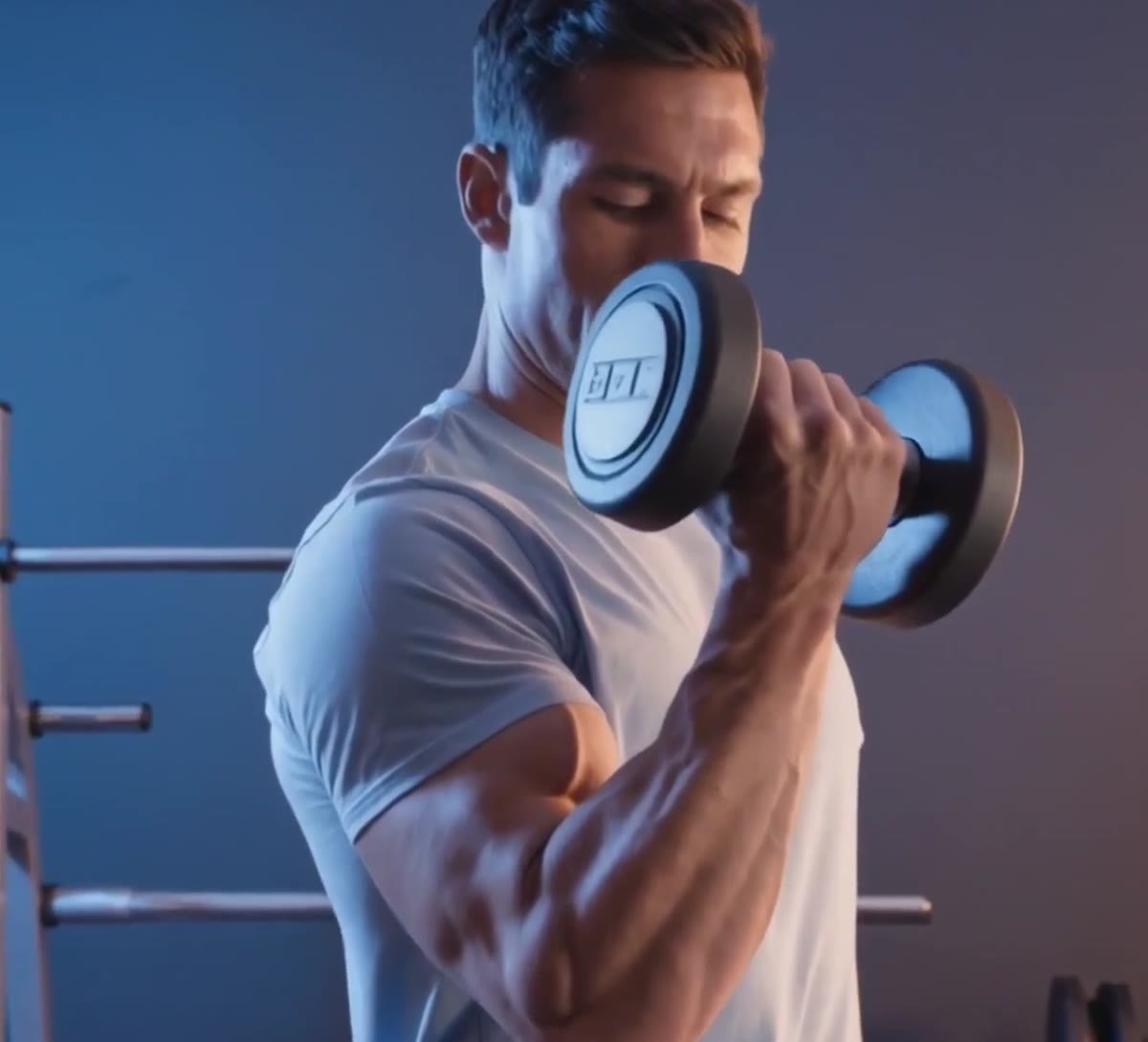
How Should You Strength Train on a GLP-1?
- Train two to three times a week. Full-body sessions work well: squats or sit-to-stands, push-ups, rows, hip hinges and carries.
- Progress gradually. Add a little weight or a few reps over time so muscles keep adapting.
- Prioritize protein. Include a protein source at every meal, since appetite may be low.
- Stay active daily. Walking supports heart health and energy. See walking speed and lifespan.
- Track your strength. Simple tests like the push-up test or one-leg balance test show progress beyond the scale.
Thinking about cost and options? Our 2026 GLP-1 cost guide compares brand-name and compounded prices, and our provider comparison lists published terms side by side. Strength also supports blood sugar, which matters if you have prediabetes.
On a GLP-1 or starting one? The GLP-1 Companion & Muscle Defense System gives you a simple plan for protein, strength training and daily habits to help protect muscle while you lose weight. See the program →
Ready to start or switch programs? Compare GLP-1 providers side by side and see published prices from about $59 a month.
Compare 7 GLP-1 providers side by side →
Or go straight to the $59/month option + $199/yr membership
Frequently Asked Questions
Do GLP-1 medications cause muscle loss?
Weight loss from any cause includes some lean mass, and GLP-1 medications are no exception. In body-composition substudies of major trials, lean mass made up roughly a quarter to two-fifths of total weight lost. Strength training and enough protein help limit this.
How much protein should I eat on a GLP-1?
Many experts suggest at least 1.0 to 1.2 grams of protein per kilogram of body weight per day during weight loss, and sometimes more for older adults, spread across meals. Because GLP-1s reduce appetite, prioritizing protein at each meal helps. Ask your clinician or a dietitian what fits you.
How often should I strength train on a GLP-1?
Two to three full-body sessions per week is a practical target, working the major muscle groups with progressively heavier loads. Start light if you are new and build gradually.
Sources
- Wilding JPH, et al. Once-weekly semaglutide in adults with overweight or obesity. N Engl J Med. 2021;384(11):989-1002. doi:10.1056/NEJMoa2032183
- Jastreboff AM, et al. Tirzepatide once weekly for the treatment of obesity. N Engl J Med. 2022;387(3):205-216. doi:10.1056/NEJMoa2206038
- Lundgren JR, et al. Healthy weight loss maintenance with exercise, liraglutide, or both combined. N Engl J Med. 2021;384(18):1719-1730. doi:10.1056/NEJMoa2028198
- Cava E, Yeat NC, Mittendorfer B. Preserving healthy muscle during weight loss. Adv Nutr. 2017;8(3):511-519. doi:10.3945/an.116.014506
This article is for education only and is not medical advice. Flow BioLabs does not prescribe medication. Talk with a licensed clinician before starting, stopping or changing any medication or exercise program.